Staying active as an adult doesn’t always mean hitting the gym or following a strict workout plan. In fact, some of the most effective—and enjoyable—ways to stay fit come from recreational sports. These activities blend movement with fun, social connection, and time outdoors, making them far easier to stick with in the long run. From the lively atmosphere of tennis courts to the peaceful escape of hiking trails, recreational sports offer endless ways to stay healthy without feeling like you’re exercising.
Whether you’re looking for a hobby, a stress reliever, or a new social circle, there’s a sport out there for every kind of adult. Let’s explore some of the most engaging options that keep people moving throughout the year.
1. Tennis: A Full-Body Workout on the Court
Tennis remains one of the most popular recreational sports among adults—and for good reason. It’s dynamic, fast-paced, and works nearly every muscle group. From quick sprints across the court to power-driven racket swings, tennis boosts cardiovascular health while improving balance, flexibility, and coordination.
Adults of all fitness levels can enjoy the sport. Many people choose to learn tennis later in life because it’s both accessible and easy to pick up with a few lessons. Local community centers and clubs often offer classes or open-court sessions, making the sport beginner-friendly.
Beyond physical benefits, tennis is a fantastic social activity. Whether you’re playing singles or doubles, the sport naturally fosters friendly competition and camaraderie. Many adults love it because it helps them unwind after work or meet new people while staying active.
2. Swimming: A Low-Impact, High-Reward Sport
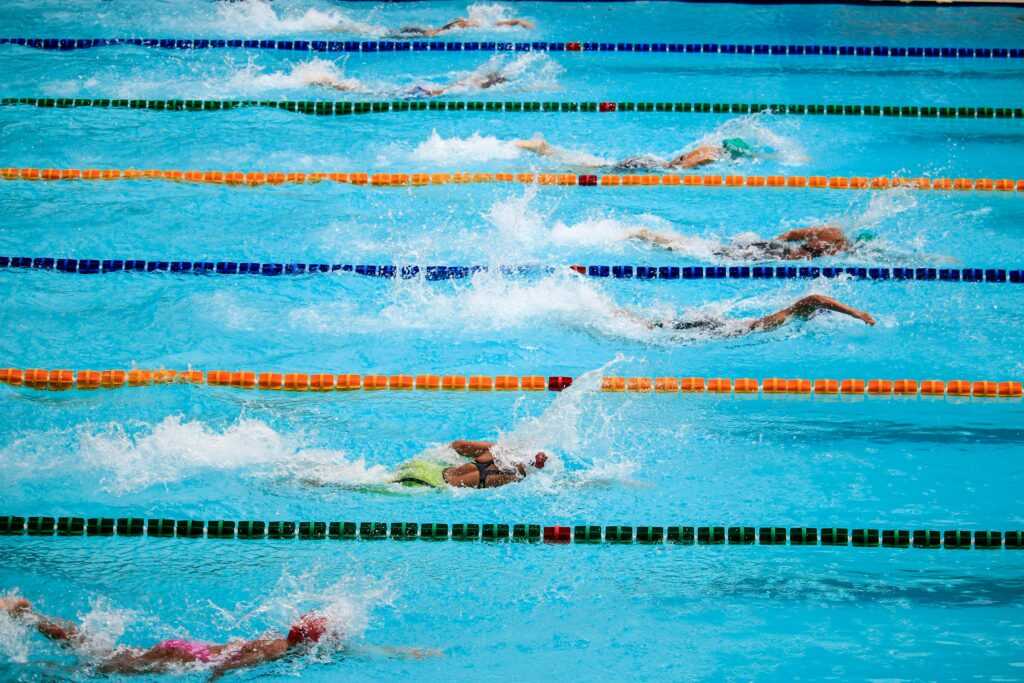
Swimming offers one of the best full-body workouts without placing stress on the joints. It’s perfect for adults recovering from injuries, managing arthritis, or simply looking for a soothing but effective way to stay active.
Many facilities now offer swim programs for adults, catering to different skill levels—from beginners who want to master the basics to experienced swimmers looking to improve endurance or technique. These programs bring structure, motivation, and expert guidance, which helps adults enjoy swimming not just as a hobby but also as a fitness routine.
Swimming increases lung capacity, tones muscles, burns calories, and supports mental wellness. Plus, the calming nature of water makes it a refreshing break from everyday stress.
3. Hiking: Nature’s Gym Without the Membership Fee
If you prefer movement with a view, hiking might be your ideal sport. Trails are available in almost every region, offering peaceful escapes into forests, mountains, parks, and coastal areas.
Hiking’s biggest advantage is its flexibility—you choose the pace, distance, difficulty, and scenery. Beginners can start with flat, easy loops, while more adventurous adults can challenge themselves with steep climbs and rugged terrain. No matter the trail, hiking strengthens the legs, improves cardiovascular endurance, and enhances balance.
It’s also a mental reset. The combination of fresh air, sunlight, and scenic views helps reduce anxiety and boosts mood. Many adults love hiking because it doubles as a workout and a mindfulness activity.
4. Cycling: Adventure, Speed, and Stamina
Cycling is another recreational sport that appeals to adults because it blends fitness with fun exploration. Whether you prefer riding through peaceful nature paths or navigating urban bike routes, cycling offers a cardiovascular workout that’s easy on the joints.
It builds lower-body strength, improves stamina, and burns calories efficiently. Many adults choose cycling as a social weekend activity, joining local biking groups or participating in short-distance rides. It’s also a great way to incorporate more movement into daily life—riding to work or the local store can quickly add extra activity without much effort.
5. Pickleball: The Sport Taking Over the Courts
Pickleball has exploded in popularity, especially among adults. It’s easy to learn, enjoyable to play, and doesn’t require the same high-level stamina as some other racket sports. Played on a smaller court with a paddle and wiffle-style ball, pickleball is ideal for beginners but can be fast-paced and competitive as you progress.
Its biggest appeal is accessibility. Adults love that they can jump into a game quickly without needing years of practice. It’s also an excellent sport for socializing—many communities host open-play sessions where players rotate teams and meet new people.
6. Running and Jogging: Simple, Effective, and Flexible
Running remains one of the most widely practiced recreational activities for adults. It requires no equipment besides a good pair of shoes, and you can do it almost anywhere. Whether you prefer jogging through your neighborhood or sprinting on a track, running improves cardiovascular endurance, supports weight management, and boosts mental clarity.
For adults new to running, starting slow is key. Many programs help beginners build endurance safely, and joining a running club can make the experience more enjoyable and motivating.
7. Kayaking and Paddleboarding: Water Sports for All Fitness Levels
Water sports like kayaking and paddleboarding provide a peaceful yet challenging workout. They strengthen the core, arms, and shoulders while offering the benefit of being out on the water—something that naturally soothes the mind.
Paddleboarding has become especially popular in recent years because it’s both beginner-friendly and adaptable. You can paddle casually or turn it into a full-body workout by increasing speed and distance. Kayaking, on the other hand, offers a bit more stability and is perfect for those who enjoy exploring lakes, rivers, or coastal waters.
8. Yoga and Pilates: Strengthening from Within
Though not typically categorized as “sports,” yoga and Pilates are powerful recreational activities that build flexibility, core strength, and mindfulness. Many adults turn to these practices to counter the stress and stiffness that come with modern desk jobs.
Yoga enhances balance and mobility while reducing anxiety, and Pilates focuses on controlled movements that strengthen the core and improve posture. Both can be practiced in studios, community centers, or at home with minimal equipment.
Recreational sports aren’t just workouts—they’re experiences. They help adults stay active, connected, and mentally refreshed without the pressure of traditional exercise routines. From courts to trails, fields to swimming pools, the options are endless and versatile.
The key is to choose a sport you genuinely enjoy. Whether you pick up a tennis racket, dive into a pool, lace up hiking boots, or hop on a bike, staying active becomes much easier when the activity also brings joy. So explore, experiment, and find the recreational sport that keeps you moving—today and for years to come.