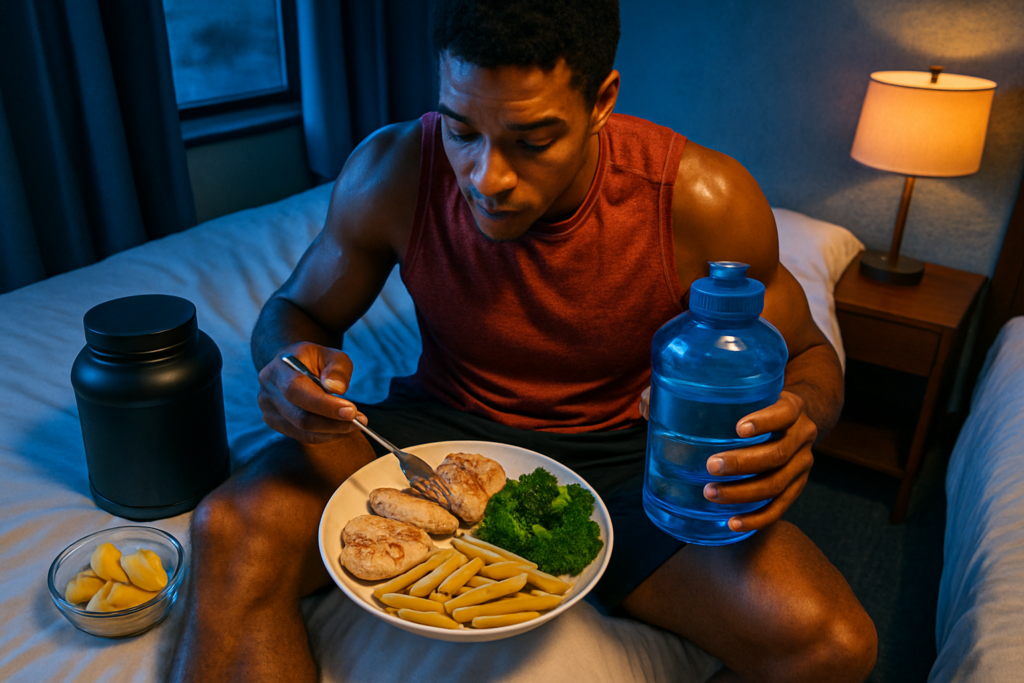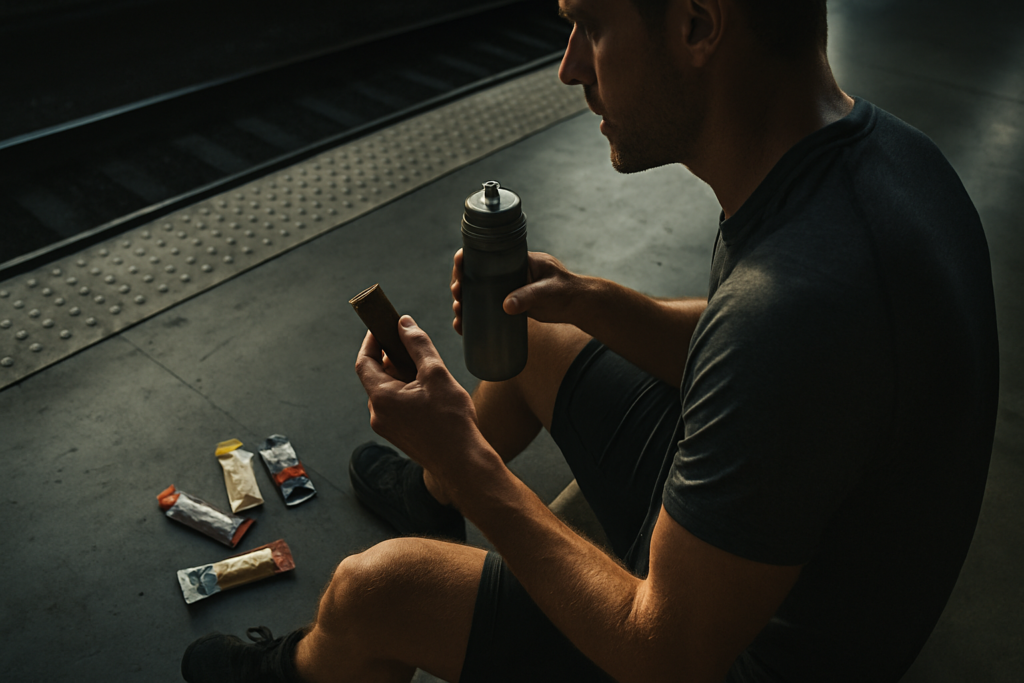
Why Pre Workout Nutrition Matters
Your body doesn’t run on empty especially not during a workout. What you eat before training is fuel, plain and simple. Carbohydrates provide the quick energy your muscles need to move, while a bit of protein primes the body for recovery. Skip the fuel, and you’re basically trying to drive cross country on fumes.
Snack timing matters more than most people realize. Eat too close to your workout, and you’ll feel sluggish or bloated. Too early, and you might run out of energy halfway through. The sweet spot: a light, carb heavy snack 30 to 90 minutes before go time. Think fuel, not feast.
Still, plenty of people miss the mark. Common mistakes? Going all protein and no carbs, thinking fat is the enemy, or scarfing down high fiber meals that sit heavy. Others simply work out fasted, hoping it helps burn fat without realizing it may also burn out their performance.
Smart pre workout nutrition isn’t rocket science it’s just strategic eating. Keep it simple, time it right, and stick to foods that energize without weighing you down.
Key Nutrients That Power Your Workout
Not all fuel is the same. Before a workout, what you eat and when you eat it can either prime your body or slow it down. Here’s the lowdown on the big three: carbs, protein, and water.
Simple Carbs vs. Complex: When and Why It Matters
Carbs are your body’s go to energy source, but not all carbs hit the bloodstream the same way. Simple carbs (think fruit, white bread, honey) digest fast and give you quick energy. These are best 30 60 minutes before a workout especially if you’re about to hit a short, high intensity session. Complex carbs (like oats, whole grains, brown rice) take longer to break down, fueling your body more gradually. They’re better when you’ve got more time before training or you’re doing something endurance based.
Protein’s Role in Muscle Readiness and Recovery
While protein isn’t your main workout fuel, it sets your muscles up to perform and bounce back stronger. A moderate amount of protein pre workout helps reduce muscle breakdown and kickstarts recovery while you train. Think Greek yogurt, a boiled egg, or a small protein smoothie. You don’t need a steak just a little to prime the pump.
Hydration’s Sneaky Impact on Stamina and Concentration
This one gets overlooked. Even mild dehydration can mess with your focus and endurance. Water keeps your blood flowing, your joints lubricated, and your brain sharp all crucial during any type of exercise. Slam back some fluids early, not right before you move. Add a pinch of salt or electrolyte tab if you’re going hard or it’s a long session.
Get these three right, and your body shows up ready to go. Skip them, and you’re running with the parking brake on.
Snack Timing Strategy: Get It Right

Timing your pre workout snack isn’t just about eating it’s about fueling strategically. When and what you eat before your workout can directly impact your performance, energy levels, and focus during training.
When to Eat: 30 Minutes vs. 2 Hours
Your body needs time to digest and turn food into usable fuel. Here’s how timing affects the effectiveness of your pre workout snack:
2 Hours Before Training
Ideal for fuller mini meals that include complex carbs, protein, and a little healthy fat
Allows more time for digestion and energy distribution
Great for morning or afternoon sessions when you haven’t eaten in a while
30 60 Minutes Before Training
Stick with fast digesting carbs and minimal fat or fiber
Focus on smaller portions to avoid sluggishness
Best for an energy top up before hitting the gym
Light Snack vs. Mini Meal: What’s the Difference?
It’s not just when you eat it’s also how much.
Light Snack (100 200 calories)
Quick digesting
Great for lighter exercise or short sessions
Examples: a banana, a rice cake with peanut butter, a handful of pretzels
Mini Meal (250 350 calories)
Includes a mix of carbs and protein with minimal fat
Best for longer or more demanding workouts
Examples: a turkey sandwich on whole grain bread, Greek yogurt with berries and oats
Match Snack to Workout Intensity
The harder you train, the more strategic your fuel needs to be:
High Intensity Workouts (e.g., HIIT, long distance runs):
Prioritize easily digestible carbs for quick energy
Slight protein boost to support muscle endurance
Moderate Workouts (e.g., lifting, cycling):
Balance between complex carbs and protein
Avoid high fat or fiber that may slow you down
Light Workouts (e.g., walking, stretching):
Skip the snack or opt for something minimal if you’ve recently eaten
Focus on hydration
Fine tuning your snack based on workout intensity and timing gives your body what it needs without extra weight or sluggishness holding you back.
Top Snack Picks by Workout Type
Not every workout asks for the same fuel. What you eat before training should match what you’re about to do. Here’s a quick breakdown of smart snack choices depending on your workout style:
For Strength Training:
You’re going to be lifting, pushing, and pulling. You want a mix of protein and slow burning carbs to support muscle work and stable energy.
Nut butter on whole grain toast: Simple, fast, and loaded with healthy fats and steady release carbs.
Greek yogurt and banana: Protein to kickstart recovery and a banana for that quick energy boost.
For Cardio & HIIT:
Your heart rate is going to spike, so fast digesting carbs matter here. You’ll need easily available energy sources that won’t sit heavy.
Oats with dried fruit: A compact combo of complex and simple carbs to fuel multiple energy phases.
Rice cakes with honey: Light, fast digesting, and just enough sugar to rev you up.
For Focus Driven Workouts (like yoga or martial arts):
You don’t want to feel heavy, but you still need something in the tank. Aim for clean, light snacks that won’t distract your mind body connection.
Apple slices with almond butter: A crisp snack that hits both texture and nutrition marks.
Light fruit smoothie with greens: Easy on the stomach, sneaks in hydration and nutrients.
Want more ideas and variations? Check out our full energy boosters guide for deeper insights into how to tailor your fuel to your training.
Clean and Portable Picks for Busy Days
Not every day gives you time to prep a Pinterest worthy snack. For those packed mornings and back to back days, go with quick options that travel well and still pack real fuel.
Trail mix is a standby but be picky. The store bought kind can hide loads of added sugar in the dried fruit or chocolate bits. Aim for a mix of raw nuts, seeds, and just enough fruit to be interesting. Keep it portioned. A small handful goes further than you’d think.
Protein balls are the DIY answer to packaged snacks. Use oats, seeds, a spoonful of nut butter, and a small splash of maple syrup to keep it lightly sweet. They taste like dessert, fuel like breakfast.
Whole fruit and nuts is another combo that hits fast and lasts. An apple or banana with a small handful of almonds or walnuts gives you fiber, carbs, and a bit of protein no wrapper needed.
And if bars are your thing, read the label. Some protein bars are basically candy in disguise. Look for options with short ingredient lists, five or more grams of protein, and minimal added sugars. Good ones can ride in your gym bag for days.
These snacks don’t ask much: no blender, no fridge, no excuses. Just grab and go and don’t settle for sugar bombs.
Final Tips That Make All the Difference
Keep it simple: skip the heavy stuff. Too much fiber or fat right before a workout can backfire. You’re not looking for a gut check mid squat set. High fat or high fiber foods take longer to digest, which can lead to cramping, bloating, or just feeling flat when it’s time to move.
Next, never try something new on a high stakes day. That trending protein shake you just bought? Save it for a training day, not race morning. Dial in your go to snack during low pressure sessions, so you know exactly how your body reacts.
Finally, tune in. If you feel stuffed, sluggish, or wired from a sugar bomb, that’s a sign. Pre workout energy should feel steady, not like a rollercoaster. Aim for light, clean fuel that keeps you moving not dragging.
For a deeper dive into high performance fuel, visit our detailed energy boosters guide.