
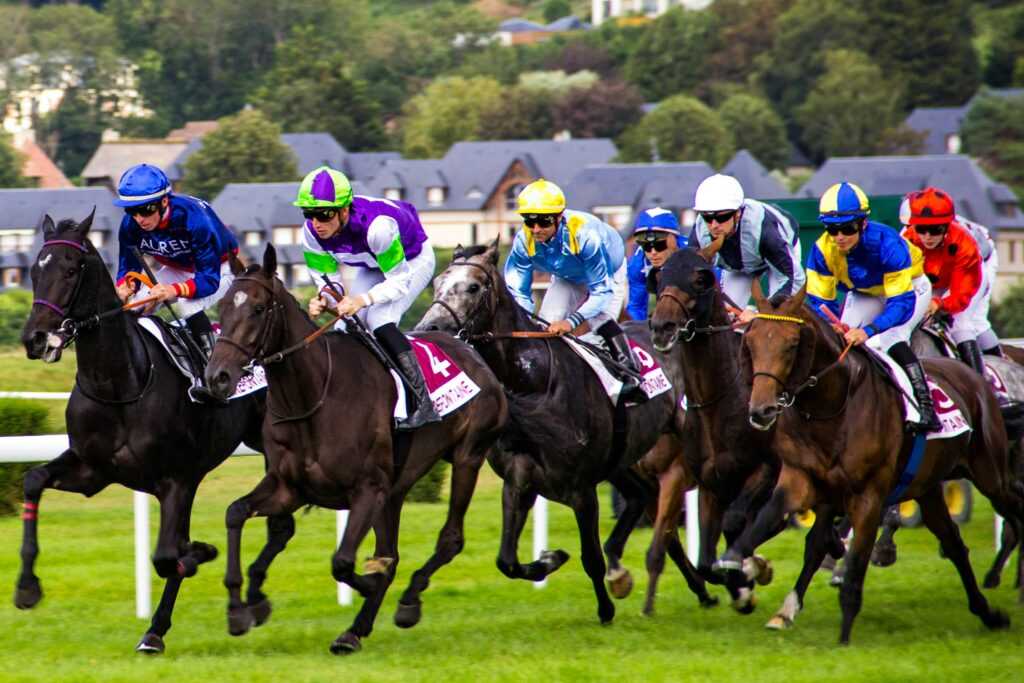
The Triple Crown always brings drama, but when it comes to pure betting excitement, the Preakness Stakes hits a different level. Sitting right between the Kentucky Derby and the Belmont Stakes, it combines momentum, uncertainty, and opportunity in a way no other race quite matches.
For bettors, it’s the perfect storm. You get to witness fresh narratives and shifting odds. Whether you’re a seasoned handicapper or just getting into horse racing, the Preakness offers one of the most engaging betting experiences of the year. Here, we get into how the Preakness Stakes delivers sensational Triple Crown betting.
The Unique Position of the Preakness in the Triple Crown
The Preakness Stakes holds a unique place in the Triple Crown schedule. Coming just two weeks after the Kentucky Derby, it demands quick turnarounds for horses, trainers, and bettors alike. That short gap creates a fascinating dynamic: horses that ran hard in the Derby may not fully recover, while fresh contenders enter the field with a strong chance to capitalize on their rest and preparation.
For bettors, timing is everything. You’re not starting from scratch, you already have recent performance data from the Derby, but that information doesn’t tell the whole story. The Preakness rewards those who can interpret form quickly, assess recovery, and identify which horses are likely to improve, regress, or surprise under these tighter conditions.
Evaluating factors like pace, track suitability, and post position becomes even more critical. Small advantages can have a big impact in a field that is typically smaller and more tactical than the Derby.
Smaller Fields But Bigger Opportunities for Bettors
One of the biggest advantages of betting on the Preakness Stakes is the smaller field size. While the Kentucky Derby can feature up to 20 horses, the Preakness typically runs with around 8 to 10 contenders. That difference is massive.
Fewer horses mean:
- less traffic trouble during the race,
- clearer pace scenarios,
- more predictable positioning.
For bettors, this translates into better decision-making. You can focus on matchups, running styles, and jockey tactics with more clarity. At the same time, the race doesn’t lose its edge. Even with fewer horses, the mix of Derby runners and fresh challengers keeps the outcome far from certain, which is exactly what makes it so appealing.
Why Betting Interest Peaks at the Preakness Stakes
The Preakness Stakes draws massive betting interest, often exceeding $100 million in wagers. The Kentucky Derby winner typically enters as the favorite, but the quick turnaround and physical demands of the Derby can leave even top horses vulnerable.
New entrants that skipped the Derby add intrigue, often being well-rested and specifically trained for this race, which can subtly affect betting. Odds can shift quickly in the days leading up to the race, so tracking updated Preakness Stakes odds is key once post positions and the final field are set.
Interest also grows if the Derby winner remains in Triple Crown contention, bringing casual fans alongside seasoned bettors. This mix can create unpredictable patterns, opening value in less obvious picks, especially in exotic wagers like exactas and trifectas.
Key Betting Strategies That Work Best at Pimlico
The Preakness Stakes consistently attracts massive betting attention, often exceeding $100 million in wagers. The Kentucky Derby winner typically enters as the favorite, but the short turnaround and physical demands of the Derby can leave even top contenders vulnerable.
New entrants that skipped the Derby add another layer of intrigue. These horses are often well-rested and specifically prepared for Pimlico, subtly shifting the betting landscape. Odds can move quickly in the days leading up to the race, making it essential for bettors to track updated Preakness Stakes odds once post positions and the final field are set.
Interest surges even further if the Derby winner remains in Triple Crown contention, drawing casual fans alongside experienced bettors. This mix often produces unpredictable betting patterns, creating potential value in less obvious picks, particularly in exotic wagers like exactas and trifectas.
The Impact of Track Conditions and Race Style
Pimlico Race Course brings its own set of variables that bettors can’t afford to ignore. The track is known for favoring speed, particularly when conditions are fast and dry, which often gives front-runners and pace-setters an edge over deeper closers. Understanding how each horse handles the early pace is crucial, as even slight differences can determine positioning and finishing potential.
Weather also plays a critical role. A wet or sloppy track can completely alter the race, benefiting horses comfortable in such conditions while exposing those that struggle. Bettors must monitor forecasts closely, as even minor shifts can influence odds and strategy.
Race style becomes especially important in a smaller field. With fewer horses competing for position, the early stages are more controlled, but any tactical mistake can be costly. This makes positioning, break speed, and jockey decisions key factors to consider when evaluating Preakness contenders.
Why the Preakness Keeps Bettors Coming Back
There’s something about the Preakness Stakes that keeps bettors locked in year after year. Maybe it’s the balance between familiarity and unpredictability. Maybe it’s the way one race alters everything we thought we knew after the Derby.
More than anything, it’s the opportunity. The Preakness rewards timing, instinct, and the ability to read between the lines. Every shift in odds, every late entry, every subtle change in form adds another layer to the experience. And for those willing to engage with it, the Preakness is one of the most exciting betting moments in all of horse racing.