
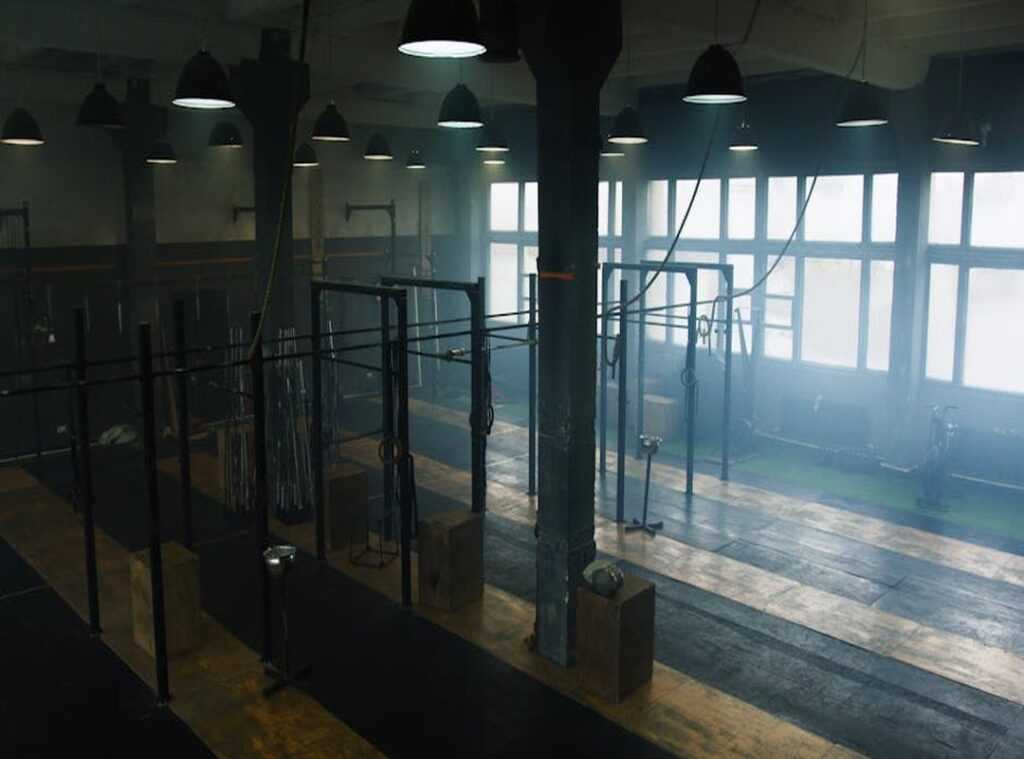
You walked into that gym last month full of energy. Then got lost in the maze of machines. Or stared at a class schedule that made no sense.
Or left after six weeks wondering why nothing changed.
Here’s what nobody says out loud: it’s not your fault.
Most people quit because the Fntkgym they picked doesn’t match how real bodies change over time. Not because they lack willpower. Not because they’re “not cut out for it.”
I’ve watched this happen for years. Tracked retention rates. Compared trainer certifications.
Studied program designs that actually stick (and) ones that vanish after month two.
The difference isn’t hype. It’s structure. Consistency.
Real accountability.
This isn’t a list of “top gyms near you.”
It’s a filter. A way to test any gym before you sign up.
Five criteria. No fluff. No marketing speak.
Just questions you can ask on day one (and) answers that predict whether you’ll still be going back in six months.
I’ll show you exactly what to look for. And what to walk away from.
Gym vs. Fitness Training Gym: Here’s the Real Divide
A gym is where you show up and hope.
A fitness training gym is where you show up (and) someone already knows your name, your knee pain, and what rep range you stalled in last week.
That’s not marketing fluff. It’s design.
At a real fitness training gym, coaching isn’t an upsell. It’s built in. Staff-to-member ratios stay under 1:12.
No more waiting 20 minutes for a trainer who’s juggling six people.
Every new member gets a mandatory movement assessment. Not just a waiver signing. (Yes, even if you’ve lifted since high school.)
Goal reviews happen every four weeks. Not “whenever you remember.” Not “if you ask.”
Think of it like physical therapy: baseline testing, movement quality first, milestones you can measure (not) just “feel better.”
Standard gyms skip all this. And it shows. Gyms with structured intake assessments retain 62% more members at 6 months (IHRSA 2023 benchmark report).
“Just showing up” fails because motivation fades. Good design doesn’t rely on it.
That’s why I send people to Fntkgym when they’re done pretending their workout plan is working.
It’s not another gym.
It’s the opposite of one.
Gym Questions That Actually Matter
I ask these before I even walk in the door.
How is my first month programmed?
If they hand you a PDF titled “Beginner Template,” run. Real programming changes daily based on how you move (not) just what you lift.
Who designs your plan (and) how often is it updated?
Say this exactly: “Can you tell me who built my first week, and when you’ll review it with me in person?”
Vague answers mean no one’s watching your progress.
What happens if I miss a session (or) hit a plateau?
If they say “we adjust as needed” but can’t name one trigger (like stalled squat numbers or missed reps), they’re guessing.
Can I see anonymized 12-week outcome data for clients like me? Not testimonials. Not stock photos.
Real charts. If they hesitate, their results are weak. Or nonexistent.
I covered this topic over in Fntkgym Gymansium Guide From Fitness-Talk.
What’s your cancellation policy (and) is there a pause option? No fine print. No 30-day notice traps.
If pausing isn’t allowed, they don’t respect real life.
Red flags? Vague language. No video of actual coaching sessions.
And if they can’t name their last continuing education course. Walk out.
I’ve watched people waste $300/month on gyms that treat them like inventory.
Fntkgym? Never heard of it. And I won’t until they answer these five questions (on) paper.
You want results. Not vibes. Not bro-science.
Not hope.
So ask. Then listen. Then decide.
Group Classes Lie to You

More classes don’t mean better results.
They mean more people doing the same thing. Wrong.
I’ve watched clients grind through 5 months of big-group HIIT, gaining zero strength and losing mobility. Their form got worse. Their shoulders hurt.
Their motivation flatlined.
That’s not training. That’s theater.
Real progress needs individualized load adjustments. Not just volume or reps, but how you move under tension that day.
Top gyms use small-group coaching: six people max. Not because it’s cheaper than personal training (it’s) not (but) because it’s a different system entirely.
It requires coaches trained to screen movement before class. To cue while you lift (not) just show it. To log notes after and sync them to your app.
You think that’s overkill? Try doing deadlifts with a rotated pelvis for three weeks straight. Then tell me.
The Fntkgym gymansium guide from fitness talk breaks down exactly how to spot this kind of coaching in action. Not just marketing buzzwords.
One client hit a wall for half a year. In eight weeks of coached small groups? She added 40 pounds to her squat and finally touched her toes without bending her knees.
That didn’t happen because she worked harder.
It happened because someone watched her. Really watched her (and) adjusted.
Big groups teach choreography.
Small groups teach your body.
What Skipping Onboarding Actually Costs You
I’ve watched it happen dozens of times. Someone walks in fired up. No baseline.
No screen. Just jumps into heavy squats or burpees on day one.
Their knee hurts by Wednesday. Their motivation tanks by Friday.
That’s not bad luck. That’s skipping movement capacity screen.
You don’t need max lifts to know where someone breaks down. You need to see how they squat, hinge, lunge. And whether their shoulders track over toes or drift forward like they’re texting mid-rep.
Elite gyms don’t do tours and waivers. They do four things:
(1) Ask real questions about sleep, stress, and what “fit” means to you,
(2) Watch you move. Not just stretch,
(3) Test effort at 70% (not) 100%,
(4) Build a 30-day map together, not for you.
Low-barrier onboarding sets people up to fail. Plain and simple.
Here’s the counterintuitive part: that 90-minute onboarding? It saves weeks of wasted effort. No guessing if it’s form, fatigue, or programming holding them back.
One tool I use? Digital forms that flag priorities instantly. “Knee discomfort during squats” → auto-suggests hip hinge retraining before loading.
Fntkgym doesn’t skip this. Neither should you.
You want results (or) just the illusion of progress?
Choose Your Next Step. Not Your Next Gym Membership
I’ve seen too many people sign up for gyms and quit by week three. Not because they’re lazy. Because the gym never asked what they needed.
You’re tired of wasting money. Tired of feeling invisible in a room full of mirrors and machines. Tired of being sold motivation like it’s a subscription.
That’s why I built the five-question checklist. It’s not theory. It’s what I ask before I step foot in any facility.
Download it. Screenshot it. Use it before your next gym tour.
Even if you’re not signing up today.
Fntkgym isn’t another membership.
It’s the filter that stops you from choosing wrong.
Your body doesn’t need another gym. It needs a system that sees you, adapts to you, and grows with you.