
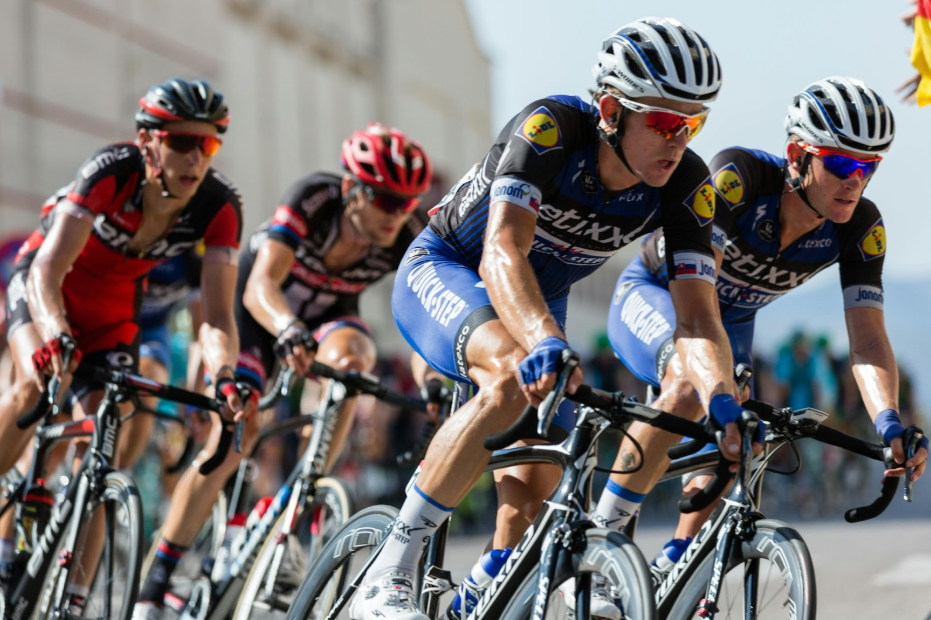
You will find a lot of cycling ‘experts’ telling you about the latest supplement that will supercharge your energy levels. Or they’ll advise you to buy an ultra-expensive bike, one you can’t do without, to improve performance.
But endurance and speed don’t come from shortcuts or spending money on hacks. Instead, they are a result of boring habits done well, and you have to do them consistently over a long period of time.
All it takes is a steady plan, a couple of bits of (affordable) kit, and sticking around for the long haul. In this guide, you will be given the tried and tested, the stuff that works, where there’s no substitute for hard work.
Build a Strong Aerobic Base
A big engine is required for endurance. Most gains come from those long, steady rides, not short bursts of energy. When you start, these rides will almost feel too easy, like you’re not pushing yourself enough.
But stick with it, as long as you go just a little beyond what’s comfortable, you will see improvements. It’s like compound interest, you don’t notice it day to day, but it’s building.
To build that base of endurance, create a rough training plan. It doesn’t have to be a minute-by-minute, no excuses, stick-to-it-no-matter-what plan. All you need is 4-6 long rides every two weeks, where you don’t push yourself 100% but flame out early. You want to focus on long rides at a pace where you can still talk in full sentences (also known as conversational pace).
Use Interval Training to Add Speed
Now, speed comes from discomfort. This is where you do want to push your body, but in a controlled manner. Do this using interval training built for cyclists, where you ride hard in small doses.
Short intervals will improve your punch, if you will, those short bursts of acceleration that can help you win a race. Longer intervals, on the other hand, will help raise your baseline sustainable pace.
When it comes to interval training, you do need to do a bit more planning vs. longer rides. And make sure that you rest properly between sessions, it’s just as important. When it comes to speed, it’s about quality over quantity.
Use the Right Gear
Training falls apart when comfort does; it’s a truism in cycling. Poor kit will lead to distractions, aches, wasted energy, and frustration (and perhaps worst of all, chafing). Choose the right cycling apparel based on performance and features, not brand names or price.
The main thing you’re looking for is fit; the jersey should feel like a second skin. Even a cheaper cycling brand will give you comfort and a performance boost compared to your standard polyester gym t-shirt.
A good kit should feel like it’s not even there, and the best stuff improves the experience. Poor kit makes its presence felt, annoying you, pulling at your skin, itching, and making you feel uncomfortable during rides.
Stay Consistent, Be Patient
To become a better cyclist, you need consistent effort. Progress will not happen if you take a yo-yo approach to your training. And improvements often come in buckets, so don’t get discouraged if your progress isn’t linear.
Build habits around regular riding times. Track progress over months, not weeks. And don’t compare yourself to other riders, even if they seem to be improving at a faster rate. Consistency is key, and if you train little and often, you will see measurable improvement.
Don’t be too hard on yourself, either. Missed sessions will happen, just make sure you show up tomorrow. Be realistic about the time you have, and stick to that schedule.
Faster Comes From Boring Done Right
Endurance and speed don’t require big money, unless you’re in the pros and need those marginal gains. The bulk of your performance gains comes from repeatable work.
You don’t need gimmicks, which is good news, but it also means you can’t get around having to invest time and energy in your body. Ride consistently and follow a plan, no excuses. You don’t have to dedicate your entire life to cycling, just make sure you ride every week. Don’t be a summer-only cyclist, but work when it’s rainy and cold, too.
Start now, with enthusiasm, sure, but don’t treat it like a New Year’s resolution. Small investments every single day will work far better than going all out for a month or two. Improvement will come to those who keep showing up, sticking around for the long haul, and you’ll be surprised by the level of your results.