Power Shift in the Global Arena
A Surge in Participation
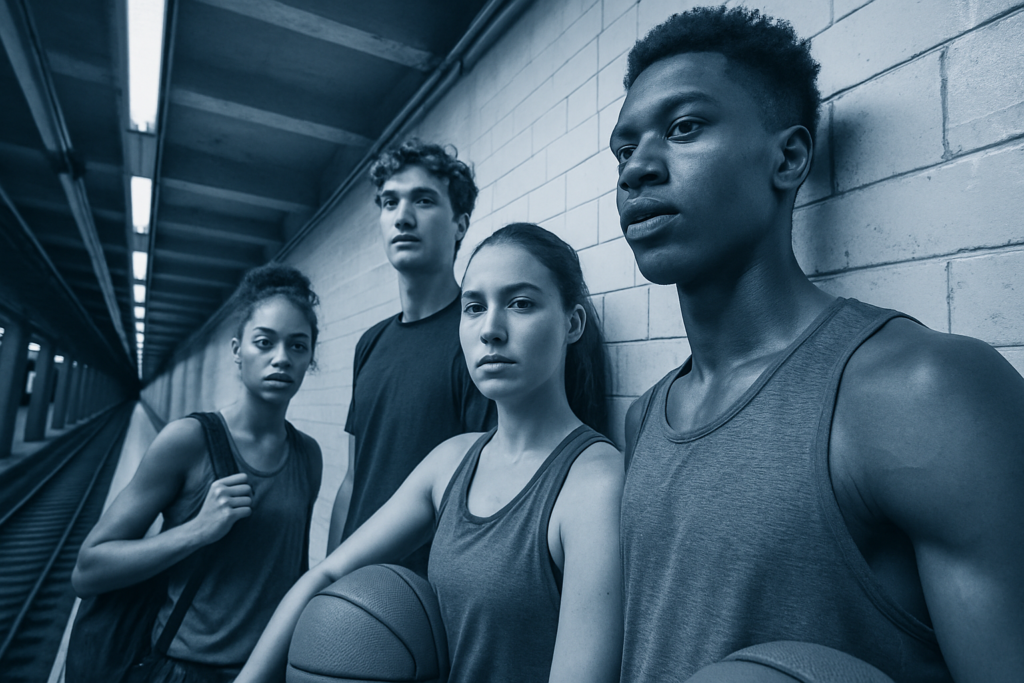
Women’s sports are experiencing record growth in global participation. Across continents and disciplines, more women are entering professional and amateur competition than ever before.
National and local programs are expanding access
Increased participation in youth, collegiate, and international levels
Boost in grassroots campaigns encouraging girls in sports
Audience Demand Is Catching Up
The interest in women’s sports isn’t just growing it’s accelerating. Viewership numbers are climbing, narrowing the long standing gap between women’s and men’s events.
Broadcast ratings for women’s tournaments have doubled or more in key markets since 2022
Major finals in women’s soccer, basketball, and cricket have broken attendance and streaming records
Social media engagement shows fans are showing up and staying engaged
2026: A Flashpoint for Change
The year 2026 is emerging as a pivotal moment for women’s sports on the global stage. With major tournaments and league expansions on the calendar, media outlets are shifting attention towards the women’s game.
Women’s World Cup and Olympic qualifiers dominating early headlines
New broadcast deals pegged to increase visibility and revenue
Sponsors stepping up to align with this shift in focus
The landscape is clear: what was once considered a niche or secondary market is fast becoming a central pillar of the global sports ecosystem. The momentum heading into 2026 signals a lasting transformation not just a momentary spotlight.
Game Changers Behind the Movement
Women athletes are not waiting for permission in 2026 they’re rewriting the script. From track to tennis to combat sports, records are falling. What used to be considered the ceiling is now just the starting point. Names like Aaliyah Cruz (boxing), Hana Li (track and field), and Camila Duarte (surfing) are stacking wins and crashing through boardrooms, proving performance makes the strongest case.
And companies are finally catching up. Sponsorships and endorsements for women athletes are growing not just from brands chasing feel good PR, but from those betting on long term influence. The dollar amounts aren’t always equal yet, but the trajectory is clear. When an athlete pulls global engagement, the market responds.
Behind the scenes, advocacy groups are doing serious work. Organizations like Equal Play Now and LeadHERs have pushed for better access, more funding, and stronger media presence. Social media helps athletes can sidestep traditional gatekeepers and bring their stories straight to fans. One viral moment can flip a narrative or launch a career.
Media coverage is slowly expanding, too. There’s more primetime for women’s events, more features, better analysis. Sure, there’s still a gap, but the ground underfoot is shifting. The more wins women rack up on the scoreboard and in the storylines the harder it gets to ignore the movement.
See more in: women’s sports revolution
Leagues, Platforms & Pay Equity

As women’s sports rise in visibility and influence, structural shifts are paving the way for sustained progress. From the creation of exclusive leagues to advancements in digital broadcasting, this transformation is laying a stronger foundation for the future of equality in professional athletics.
Growing Momentum: Women Exclusive Leagues
A new generation of women only sports leagues is gaining real momentum across multiple disciplines. These organizations don’t just offer elite athletes a platform; they represent a cultural shift toward inclusive recognition and long term opportunity.
The WNBA’s growth continues, with increased investment and historic attendance numbers.
New leagues in soccer, hockey, and cricket are capturing national and international attention.
National governing bodies are formalizing women’s divisions in traditionally male dominated sports.
Equal Pay: Progress Made, Challenges Remain
The conversation around pay equity has moved noticeably forward, but true parity is still a work in progress.
Collective bargaining wins in women’s soccer and basketball signal real action.
Disparities still exist in many individual sports where federations dictate earnings.
Some leagues offer bonuses or prize money that remain far behind those in men’s equivalents.
Streaming and Accessibility: The Digital Shift
Access is improving as digital platforms step in to highlight women’s athletics sometimes ahead of traditional broadcasters.
Streaming services like DAZN, Amazon Prime, and ESPN+ are investing in exclusive women’s sports content.
Social media highlights and live coverage are empowering fans to watch on demand.
Reduced reliance on linear TV increases visibility, especially for younger audiences and global markets.
Corporate Commitment: Investment in the Long Game
Major brands aren’t just sponsoring they’re partnering with women’s sports in strategic, sustained ways.
Companies like Visa, Nike, Ally, and Google are launching campaigns centered on women athletes.
Several sponsors have shifted advertising budgets away from male only events.
Long term deals provide stability and help fund grassroots programs, health initiatives, and league expansion.
Women’s sports are no longer a side story they are becoming a central narrative across professional athletics. The synergy of grassroots growth, media access, and corporate investment is accelerating change at every level.
Cultural Impact Beyond the Field
When a 9 year old girl in Madrid watches Aitana Bonmatí dominate the midfield, or a kid in Baton Rouge sees Angel Reese light up the court, they’re not just seeing highlights they’re seeing what’s possible. High visibility women in sports are no longer exceptions. They’re carving out daily space in headlines, highlight reels, and home screens. That matters.
Representation isn’t just a buzzword it’s a mirror. Seeing women compete at elite levels pushes past tired gender roles. Girls are growing up with tangible proof that strength, leadership, and finesse aren’t tied to one body type or one set of rules. And it isn’t just girls. Boys, too, are watching these athletes and recalibrating old assumptions.
This cultural tilt doesn’t happen in a vacuum. Media coverage has gone deeper. Social platforms give athletes direct connection with fans. On TikTok, YouTube, and Instagram, these women are more than stats they’re whole human stories. And that storytelling is reshaping sports culture across borders.
The ripple effects are real: more youth sign ups, broader brand campaigns, and a growing chunk of young fans who expect equality on the field and off. For a deeper look at what’s fueling the shift, check the women’s sports revolution.
What’s Coming in 2026 and Beyond
2026 is an Olympic year, which brings added pressure and opportunity for women’s sports. Federations are prioritizing broader event visibility, better time slots, and more equitable media coverage. We’re seeing more women’s competitions getting primetime billing and strategic promotion, especially in sports like soccer, track and field, and gymnastics.
Professional leagues are expanding too. From women’s football in Europe to basketball in Asia, more teams and stronger infrastructure are taking shape. It’s not just about launching leagues it’s about backing them with real broadcasting deals, improved facilities, and schedules that don’t bury women’s games in off peak hours.
Talent isn’t just growing at the top. Countries that had little international presence five years ago are producing medal contenders. From grassroots programs to college pipelines, global development is exploding. Scouts and development hubs are finally paying attention, and that means the competition is getting deeper.
Now’s the time for fans, sponsors, and media platforms to double down. Tune in, stream games, buy gear. Brands can sponsor athletes and teams for more than just a news cycle, and federations need to keep budgets aligned with demand. The momentum is real, but it only keeps going if the backing grows with it.