
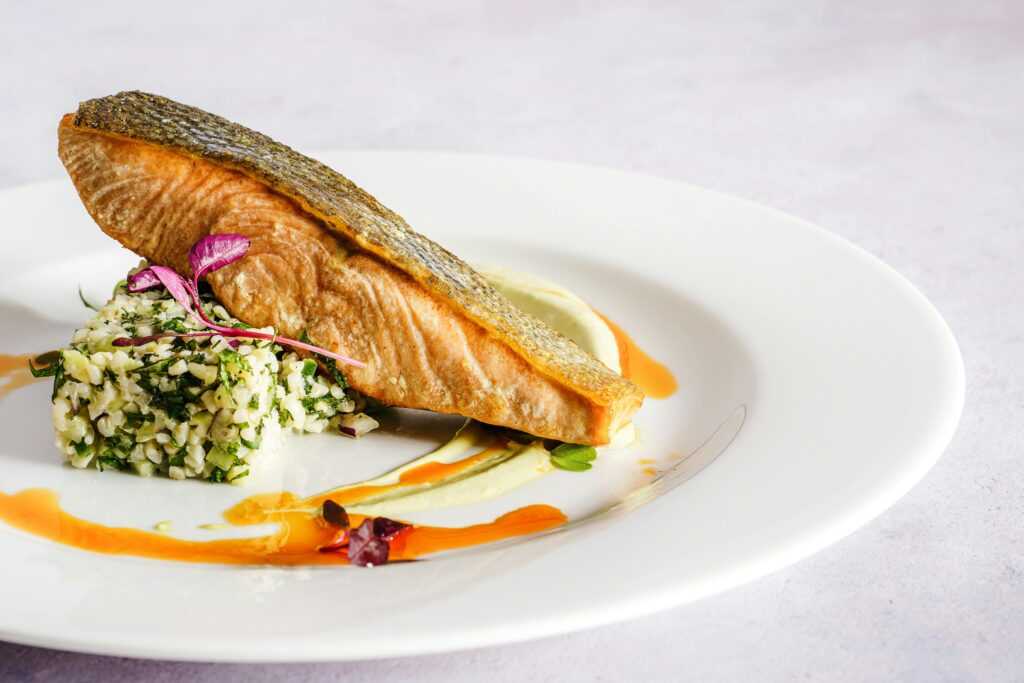
The human body performs well when it uses foods with nutrients that support energy, muscle strength, and focus in the mind during daily physical and mental activity. These superfoods act as food sources that contain vitamins, minerals, and antioxidants and they help endurance and focus through regular intake across meals. They do not act as miracle cures, yet they serve as additions to meals that people include as part of normal eating habits. The section below presents five superfoods for vegetarians and non-vegetarians and explains their origin, nutritional value, recipes, and benefits in full detail.
-
Quinoa
People call quinoa the “mother grain”, but it grows as a seed in South America’s Andes mountains. The Inca people grew this crop for many centuries because warriors could travel far distances with it. Scientists now classify quinoa as a superfood since it provides all nine essential amino acids that humans need. This plant gives complete protein, which most vegetables cannot do. Each serving contains fiber, magnesium, and iron that control blood sugar and boost energy in the body.
Cooks worldwide use quinoa because nutrients fill every grain and recipes work in many ways. Quinoa salad mixes cooked grains with cucumbers, tomatoes, olive oil, lemon juice, and herbs for summer meals. Morning porridge comes with quinoa simmered in milk with honey and nuts for breakfast. In a cup of cooked quinoa, you get 222 calories, 8 grams of protein, 5 grams of fiber, and it also has manganese, phosphorus, and folate minerals. For vegetarians, this is a great source of plant-based protein; for athletes, it is a source of fuel for endurance performance and for the office goer, it stabilizes energy without crashes. Research out of Chengdu University reports that quinoa’s amino acid profile helps in muscle repair and brain function for daily life.
-
Salmon
Fatty fish called salmon live in the North Atlantic and Pacific cold water regions year-round. Indigenous groups have eaten salmon across centuries for food needs and ceremonial traditions in their communities. Salmon are fatty fish that inhabit cold water areas of the North Atlantic and Pacific year-round. Salmon has been consumed by indigenous populations for thousands of years as a food and in their rituals. Salmon is considered a superfood today due to its omega-3 fatty acids, high-quality protein and vitamin D. Salmon helps the heart to be healthy, reduces the risk of brain diseases, and helps people perform better. Foods are also delicious, as the salmon taste is suitable for both fast meals and high-class meals.
Salmon fillets are very easy to grill with cooks adding olive oil, garlic, lemon juice and herbs, which bring out the natural taste of salmon. The Asian houses make salmon curries through cooking fish in coconut milk with spices that are served along rice portions. 100 grams of salmon provides 208 calories, 20g protein, and 13g healthy fat. The salmon meat portions also contain B vitamins, selenium and potassium nutrients. Sportsmen recover their muscles with salmon, seniors keep their joints healthy, and professional people obtain the benefits of gaining mental focus.
Tabriz University of Medical Sciences found that omega-3 fatty acids in salmon decrease inflammation and increase the level of endurance capacity. Work, physical exercises and psychological load require the consumption of salmon in order to improve results. Sushi rolls to baked salmon with vegetables show how recipes adapt between traditional and modern diet styles.
-
Spinach
Spinach was originally cultivated by the Persian farmers many centuries ago. Millions of people on the continents are now fed using this leafy vegetable. Spinach is a superfood according to nutritionists since it is rich in iron, vitamin K, and antioxidants. These nutrients help blood flow, strengthen bones, and boost energy metabolism. Athletes eat spinach because oxygen moves better through their bodies. Students choose spinach when they need focus for exams. Cooks add spinach to soups and breakfast dishes easily. Spinach soup starts with garlic, onion, and vegetable broth cooking together. The cook then adds spinach leaves and blends everything smooth. Breakfast lovers fold spinach into omelets with eggs, cheese, and herbs. This combination gives protein and vegetables in one meal.
Raw spinach weighs 100 grams and contains only 23 calories. The same amount provides 2.9 grams of protein. Spinach delivers iron, calcium, magnesium, and vitamin A to the body. Vegetarians depend on spinach for their iron needs. Athletes require spinach for better oxygen transport in blood during training. Students eat spinach to maintain concentration while studying. Lutein and zeaxanthin in spinach protect eyes from damage. Women with iron deficiency benefit from eating spinach regularly. Elderly people need spinach nutrients to keep bones strong. Smoothies, curries, and pasta dishes all welcome spinach as an ingredient. Weight watchers love spinach because the calories are low. Nutrition apps recommend spinach as a daily food choice.
-
Eggs
Eggs have been a staple in people’s diets for centuries. They’re considered one of the ultimate superfoods because they pack a punch with high-quality protein, choline, and a whole load of vitamins. People chow down on eggs for muscle building, brain health, and general well-being. They are so versatile they can be boiled up and served with some whole-grain toast for a super quick breakfast, scrambled with some steamed veggies for a bit more oomph, or made into a spicy curry that makes for a great central piece at lunch or dinner.
One large egg comes in at about 70 calories, 6g of protein, 5g of fat, and a few other useful minerals like selenium and phosphorus. They’re a real boon for athletes building muscle, kids needing a bit of growth nutrients, and office workers who need a brain-boost. Choline in eggs is also a real memory & learning powerhouse, making them a must-have for students, office workers, and really anyone who needs a bit of a brain-boost. The fact that they’re pretty affordable and widely available is a big plus point too, you can pick them up in most supermarkets and cook ’em in loads of different ways, from poached eggs to baked quiches. For those tracking diet, even apps with nutrition guidance often highlight eggs as balanced food, and sometimes users mention experiences with Unimeal app customer support when discussing meal planning.
-
Almonds
Almonds have been around for thousands of years, originating from the Middle East. They’ve been considered a symbol of good luck in some cultures, and were even seen as a bit of a luxury in ancient times. Almonds are pretty darn close to being a perfect superfood, with healthy fats, protein, and a healthy dose of vitamin E. People gobble ’em up to improve their heart health, endurance, and general brain function. They’re enjoyed as snacks or used to make all sorts of tasty drinks like almond milk. Just soak ’em overnight, blend with some water and strain, and you’ve got a smooth, dairy-free drink. Some people prefer to roast them with a sprinkle of sea salt for a really simple, yet satisfying snack.
28g of almonds (that’s about 23 of them) give you 160 calories, 6g of protein, 14g of fat, and a few more useful minerals like magnesium, calcium, and zinc. Almonds are a big hit with vegetarians who need a bit of plant-based protein, athletes who need something that packs a bit of energy, and office workers who just need a bit of a focus boost. They’re also pretty great at helping to regulate cholesterol levels and keeping your skin looking healthy due to all that vitamin E.
| Superfood | Calories (per 100g) | Protein | Fat | Fiber | Key Minerals/Vitamins | Best For |
|---|---|---|---|---|---|---|
| Quinoa | 222 (per cup cooked) | 8g | 3.5g | 5g | Iron, Magnesium, Folate | Vegetarians, Athletes |
| Salmon | 208 | 20g | 13g | 0g | Omega-3, Selenium, B12 | Athletes, Elderly |
| Spinach | 23 | 2.9g | 0.4g | 2.2g | Iron, Calcium, Vitamin K | Women, Students |
| Eggs | 70 (per egg) | 6g | 5g | 0g | Choline, Selenium, Vitamin D | Children, Professionals |
| Almonds | 160 (per 28g) | 6g | 14g | 3.5g | Magnesium, Vitamin E, Zinc | Office workers, Athletes |
Conclusion
Superfoods, they’re just regular foods that do the job when it comes to giving you endurance, strength and focus. They’re not super-anything, but rather normal foods with some super-good properties. And the thing is, they work for everyone, from veggie & non-veggie alike. They’re especially good for all sorts of people, runners, office workers, students, or seniors. And of course, they are super easy to fit into your daily routine. Eating well is, in fact, about choosing foods that are a real help to both your body and your mind.